
Self-Organized
Let the microtubules grow, see which problems they can solve. There are two forms:
OrganicandSynthetic
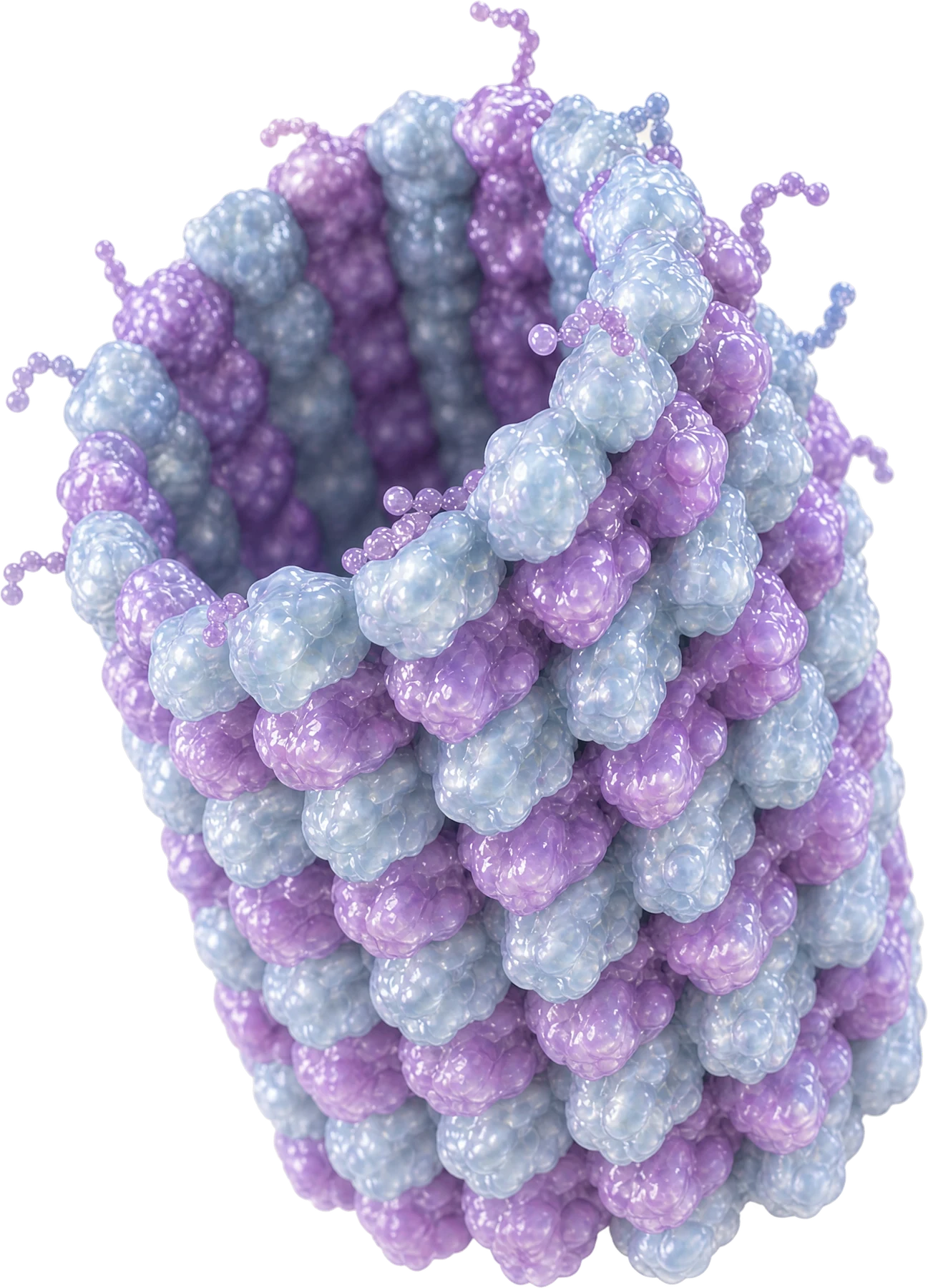
Evolution has woven the fabric of biological intelligence with microtubules. At QLT, we unravel then reweave the threads into two kinds of computers, both organic and engineered, both harnessing topological computing.
Let the microtubules grow, see which problems they can solve. There are two forms:
OrganicandSynthetic
Choose problems they can solve and build the circuits to solve them. There are two forms:
OrganicandSynthetic
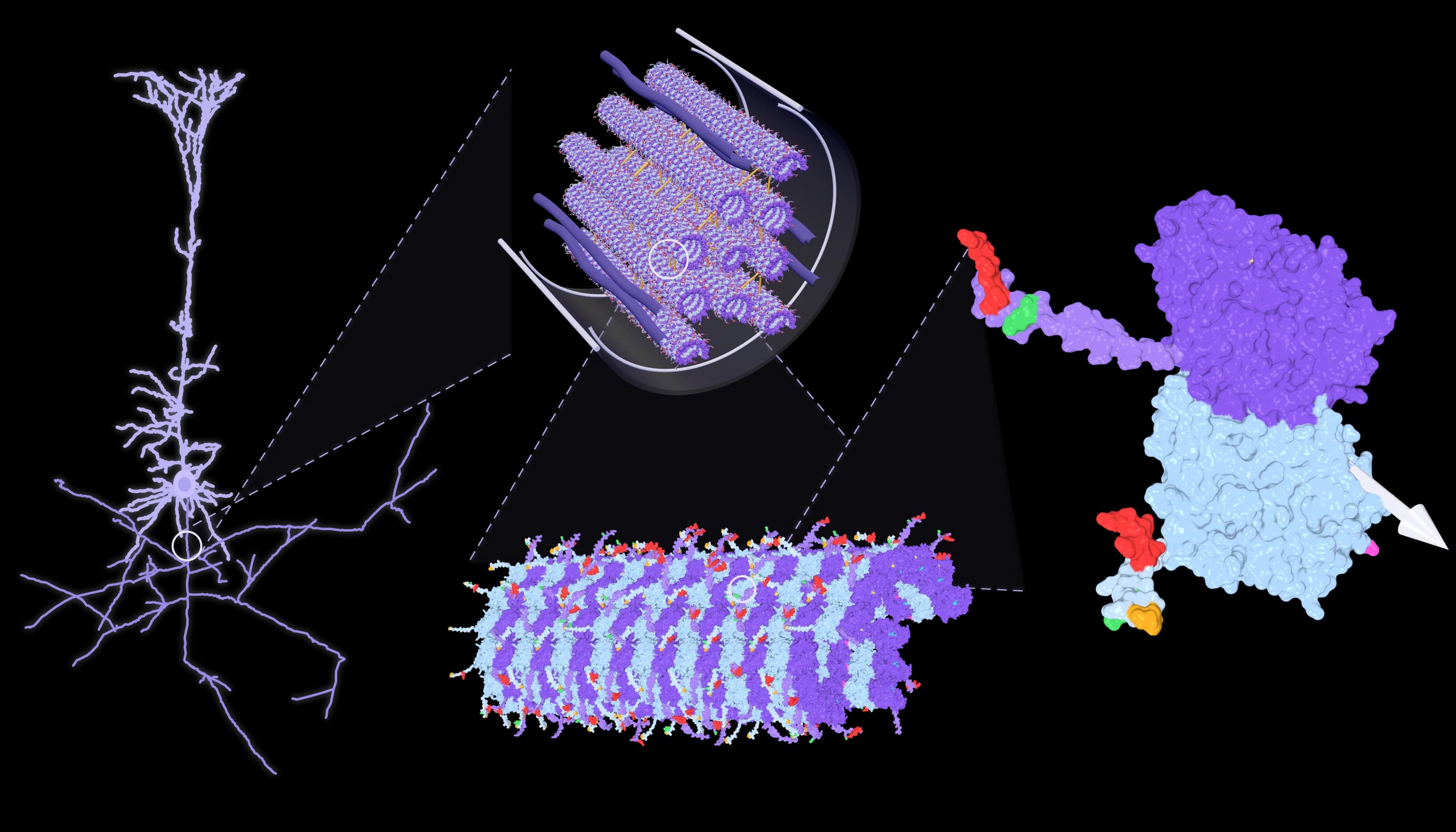
~86 billion neurons in the human brain
~104–105 microtubules per neuron
~1.6×10⁴ dimers per 10-µm MTThis amounts to ≈ 1.93 × 1024 biological switching units, or qubits, in a human brain
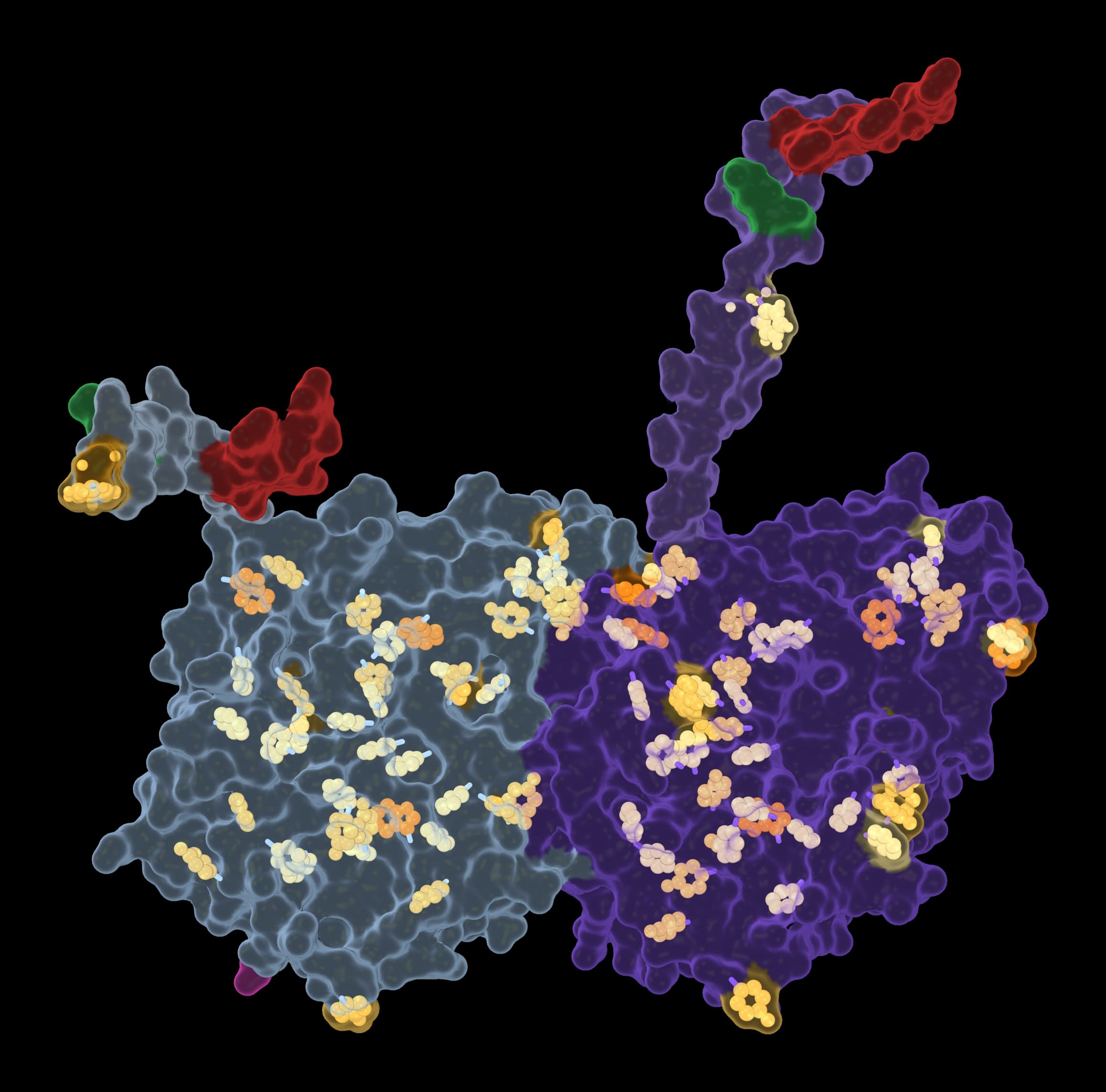
~1.4×10⁵ aromatic amino acids/µm MT


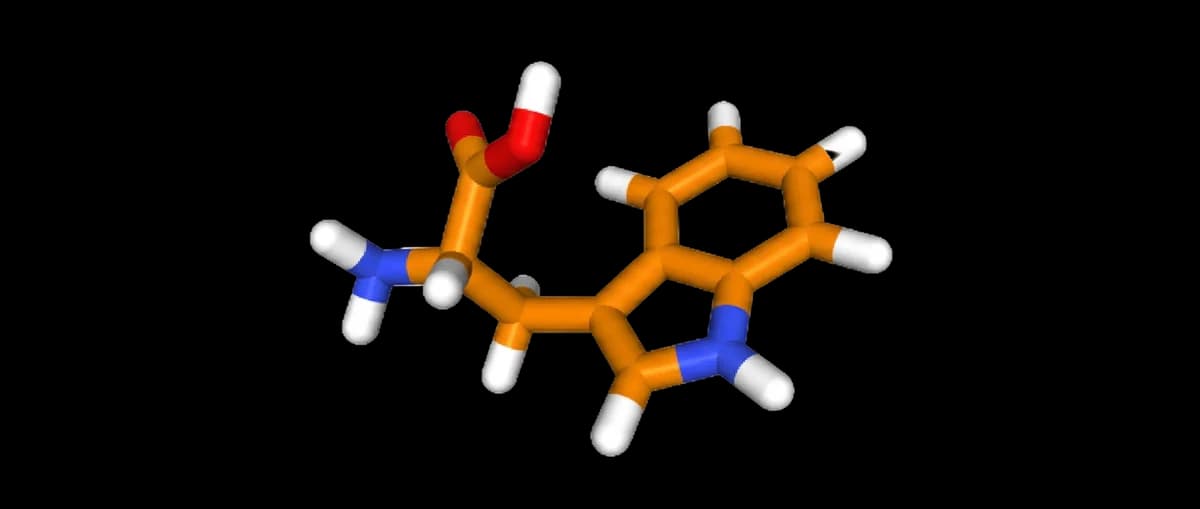
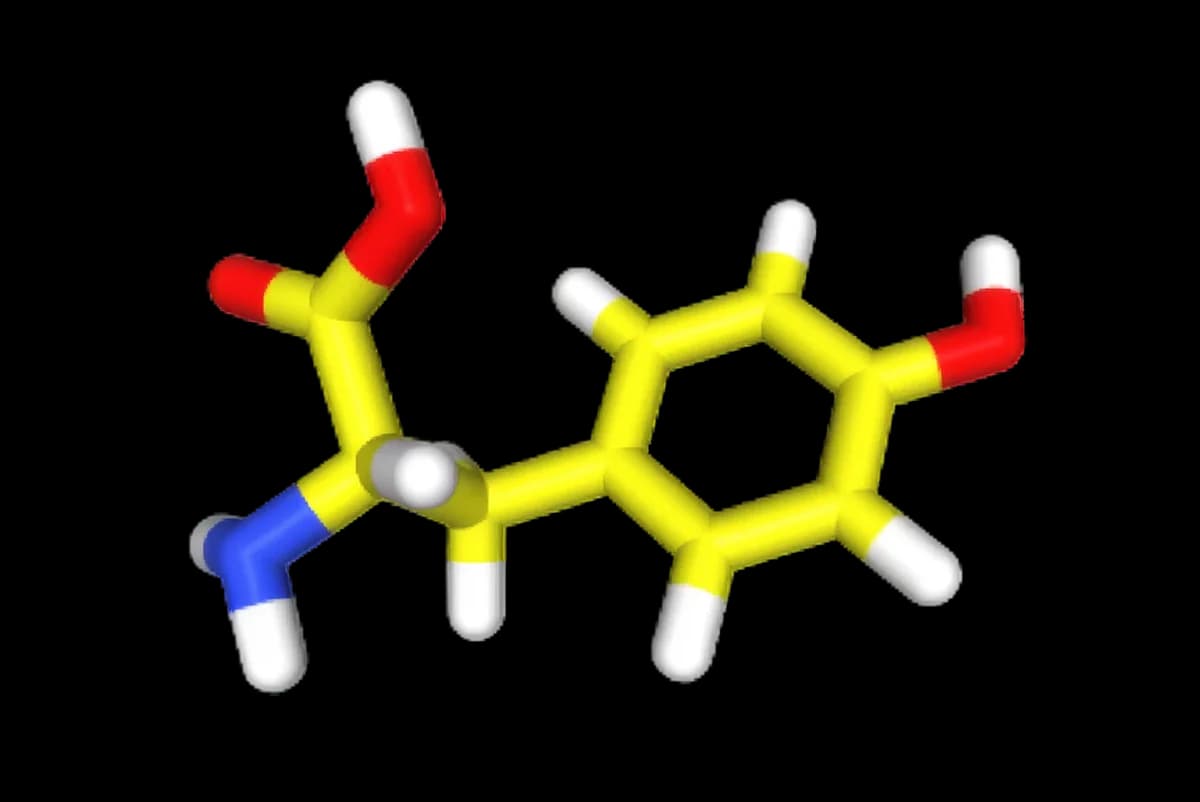
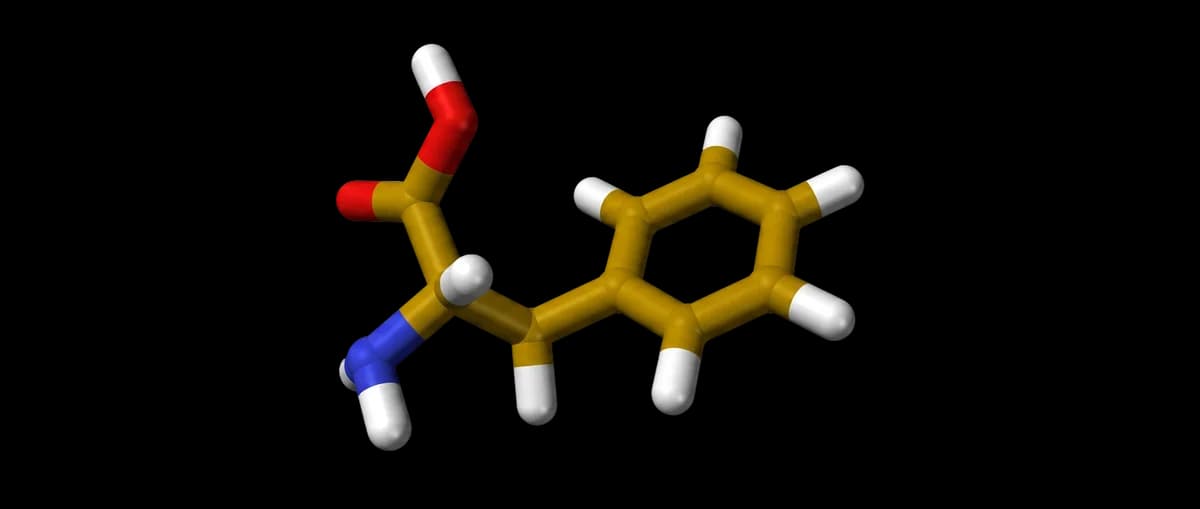
The aromatic* amino acids - Tryptophan, Tyrosine, and Phenylalanine - have massive, highly polarizable 𝜋** electron clouds
Key point: when electrons are delocalized, different states = different information, thus they can compute aka serve as qubits.
*aromatic = has a benzene ring
**𝜋 = the electron is delocalized
*For example, in the Radical Pair Mechanism, a widely accepted phenomenon in the QBio community, delocalized electrons are the base of computation via interstate conversion
~560bn liters
Water consumed by data centers in 2023, rising to ~1,200 billion liters by 2030
IEA via Bloomberg (Nicoletti et al., 2025); de Vries-Gao (2025)
+2.0 °C
Projected warming by 2050 above pre-industrial (1850–1900) levels, intermediate scenario
IPCC AR6, Table SPM.1
100 MW–1 GW
To run a single AI data center
Lawson et al. (2026); CRS R48646
20–26 kW
To hold one quantum computer at 10–35 millikelvin, ~80% of it spent on cooling
Parker & Vermeer (2023); Carrasco-Codina et al. (2026)
~10 pW
To keep a biological quantum computer running, 15 orders of magnitude less
BioNumbers; PMC3289792
20 W
The power budget of the human brain
PMC124895
~1027
Computational units in a microtubule computer, vs ~1–5 trillion parameters in frontier AI models
Stuart prospectus; Epoch AI (2026)
~300 K
Room temperature. Biological components need no cryogenic cooling, vs 0.01–0.035 K for superconducting qubits
Parker & Vermeer (2023)
Get ready to grow the future.